
Piles Grades
& Symptoms
Haemorrhoids (also known as piles) are swollen veins in the anus and lower rectum.2
Haemorrhoids can be classified into 4 groups according to how severe they are.

Grade I – mild discomfort
These are slightly enlarged haemorrhoids, causing mild discomfort while not being visible outside of the anus.1
Use ActiProct® Gel Tube for internal relief to relieve discomfort and treat symptoms.
Grade II – moderate discomfort
Larger haemorrhoids that sometimes become visible outside of the anus and cause mild to moderate discomfort while passing stools or during other physical activities. The enlarged haemorrhoids are still able to revert internally by themselves.1
Use ActiProct® Gel Tube for internal relief to relieve discomfort and treat symptoms.
Haemorrhoids and Pregnancy
Haemorrhoids and anal discomfort are common during pregnancy and breastfeeding.
Many women experience haemorrhoids during and after pregnancy due to hormonal changes and increased pressure on blood vessels in the pelvic area. Straining during childbirth can also contribute to haemorrhoids, but symptoms usually improve after delivery. Additionally, constipation – more common during pregnancy – is a major trigger for haemorrhoids.5,9
Pregnancy & Breastfeeding
Safety of ActiProct® Gel in pregnant and breastfeeding women is not established. However, no side effects are known when used during pregnancy or breastfeeding. Literature reviews supports that there are no known contraindications for the use of 2QR complex during pregnancy and while breastfeeding.9

Grade III – moderate to severe discomfort
Haemorrhoids that appear outside of the anus while passing stools and during other physical activities, causing moderate to severe discomfort.
These haemorrhoids are unable to revert internally without assistance but can be pushed back inside.1
For treatment, seek a prescription from your doctor.
Grade IV – severe discomfort
Haemorrhoids constantly visible outside of the anus and unable to be pushed back internally, causing severe discomfort.1
For treatment, seek a prescription from your doctor.
Don’t delay treatment. Help is available.
Experiencing Grade III and IV symptoms?
If you’re experiencing moderate to severe symptoms you need to visit your doctor!
Corticosteroids are clinically proven to reduce and treat severe cases of piles and haemorrhoids i.e. Grades III & IV.6
Corticosteroids require a doctor’s prescription.6 Please seek out the advice of a medical professional.


The Importance Of A High-Fibre Diet
Diet Is Key
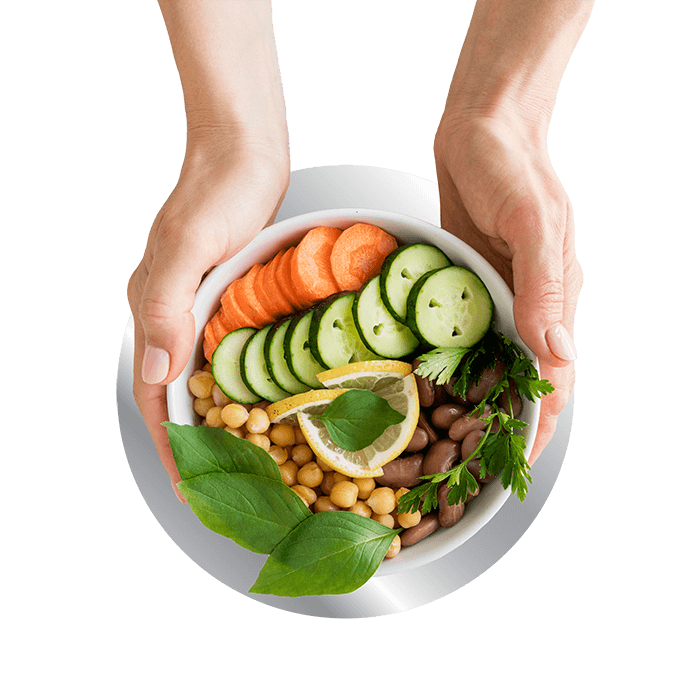
A high-fibre diet is recommended as an early-stage relief for haemorrhoids, as it increases bowel movement by softening and affecting the size and weight of stool.8
It is recommended for a diet to contain 20 to 35 grams of fibre per day.7 Fibre adds bulk to the stool without a laxative effect, which leads to bowel movements easily passing without strain or constipation which is known to cause haemorrhoids.8,9
Foods that are rich in fibre include:
Beans8
Oats8
Citrus fruit, berries, and kiwis8
Sweet potatoes, potatoes, broccoli and tomatoes8
Whole wheat pasta8
Vegetables8
Pasta8
Itching to ask a question?

Know what you need?
If you’ve identified your haemorrhoids as either Grade I or II, you can start with ActiProct® which is available over the counter at all leading pharmacies. Find your nearest stockist here.